Source 8 strand marine playground rope for Shipping Agriculture Packaging
Compare 30 listings for 8 strand marine playground rope with options in polypropylene, varying diameters from 4mm to 120mm, and certifications like ISO9001. Buyers can evaluate wear resistance, customization availability, and packing methods for shipping, agriculture, and packaging needs.
Key considerations
Products List


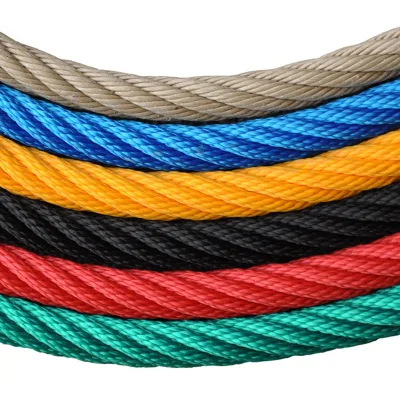



Comprehensive Sourcing Guide
8 Strand Marine Playground Rope Sourcing Guide
Procuring 8-strand marine-grade playground rope requires a nuanced understanding of polypropylene’s mechanical properties and the specific structural demands of multi-strand braiding. Buyers must distinguish between general-purpose utility ropes and those engineered for high-load marine or heavy-duty playground applications. The core material is consistently identified as polypropylene (PP), a synthetic polymer valued for its buoyancy, chemical resistance, and cost-effectiveness. However, the "marine" designation often implies enhanced durability against UV exposure and saltwater corrosion, which must be verified through specific material grades or additives rather than assumed from the product name alone.
The 8-strand configuration offers a balance between flexibility and tensile strength, making it suitable for dynamic loads found in playground structures or marine mooring. Unlike single-strand or 3-strand twist ropes, braided 8-strand ropes distribute stress more evenly across the fibers, reducing the risk of sudden failure under shock loading. Sourcing guides must emphasize that while the material is PP, the construction method—whether braided or twisted—significantly impacts performance. Buyers should prioritize suppliers who explicitly state the rope type as "Braided Rope" or "Twist Rope" with clear strand counts, ensuring the product matches the mechanical requirements of the intended installation.
Product Scope and Observed Listing Signals
Market listings for 8-strand polypropylene ropes reveal a wide variance in specifications, ranging from small-diameter utility cords to heavy-duty lines exceeding 120mm in diameter. Observed data indicates that products are frequently categorized under multiple usage tags, including shipping, agriculture, packaging, and security, which suggests a versatile product line rather than a specialized marine-only offering. Buyers should scrutinize these broad categorizations to identify items specifically marketed for playground or marine use, as general-purpose ropes may lack the necessary abrasion resistance or UV stabilization required for outdoor playground equipment.
The observed product models and descriptions highlight significant customization options, with suppliers offering diameters from 4mm up to 120mm and lengths such as 220 meters or 300 meters. Some listings explicitly mention "Playground Rope With Steel Core," indicating a hybrid construction that combines the buoyancy and corrosion resistance of PP with the tensile strength of a steel core. This distinction is critical for buyers, as a pure PP rope will behave differently under load compared to a steel-core variant. Procurement teams must verify whether the 8-strand rope is a solid braided line or a hollow braid, as this affects both the weight and the maximum breaking strength of the final product.
Technical Specifications to Verify
Diameter and strand count are the primary technical parameters that define the rope’s capacity and handling characteristics. While the core keyword specifies an 8-strand configuration, observed listings show that suppliers often offer a range of strand counts, including 3, 4, 16, 24, 32, 48, and 64 strands. Buyers must confirm that the specific SKU ordered is indeed an 8-strand construction, as higher strand counts generally result in a smoother, more flexible rope with higher surface area, while lower counts may offer greater raw tensile strength per unit diameter. Verification of the exact diameter, which can range from 1mm to 120mm depending on the supplier, is essential to ensure compatibility with existing playground hardware or marine fittings.
Tensile strength and wear resistance are critical performance indicators that must be validated through supplier documentation. Observed attributes describe the pulling force as "Strong" and wear resistance as "Very Good" or "Yes," but these are qualitative claims that require quantitative backing. Buyers should request specific breaking strength values in kilonewtons (kN) or pounds (lbs) for the 8-strand configuration. Additionally, the acid resistance is noted as "Good," which is a key advantage of polypropylene, but buyers should inquire about the specific chemical environment the rope will encounter, particularly in marine settings where exposure to salts and oils is common.
Compliance and Safety Documentation
Safety certifications are paramount when sourcing ropes for playgrounds, where child safety is the primary concern. Observed listings frequently cite a range of maritime and industrial certifications, including CCS, ABS, GL, DNV, LR, GS, CE, and ISO9001. While these certifications are often associated with marine and industrial applications, their presence indicates a supplier’s commitment to quality management systems and product consistency. Buyers must verify which specific certifications apply to the playground rope SKU, as a certification for a heavy-duty shipping line may not automatically cover a lighter playground application.
The distinction between ISO9001:2008 and ISO9001:2015 is a common point of confusion in supplier documentation. Some listings reference ISO9001:2008, while trusted category knowledge points to ISO 9001:2015 as the current standard. Buyers should clarify the version of the quality management system certification held by the supplier, as this reflects the recency of their quality audits. Furthermore, for playground equipment, compliance with local safety standards such as ASTM F1487 or EN 1176 may be required, which are not explicitly listed in the observed data but are critical for regulatory approval in many jurisdictions.
Cost Drivers and Commercial Terms
The price range for polypropylene ropes is highly variable, observed from as low as $0.10 to over $6,000, driven primarily by diameter, length, and the complexity of the braiding process. Thicker ropes with higher strand counts and specialized features, such as steel cores or UV stabilizers, command premium prices. Buyers should analyze the unit price relative to the diameter and length to identify outliers that may indicate inferior quality or hidden costs. The minimum order quantity (MOQ) also varies significantly, ranging from 1 to 10,000 units, allowing for flexibility in procurement but potentially impacting unit costs for smaller orders.
Packaging and logistics are additional cost factors that influence the total landed cost of the rope. Observed packing methods include cartons, wooden boxes, PP bags, and wooden reels, each with different implications for storage and handling. For large-scale playground installations, ropes packed on wooden reels may be more efficient for deployment, while PP bags are suitable for smaller, modular components. Buyers should negotiate clear terms regarding packaging standards to prevent damage during transit and ensure that the rope arrives in a condition suitable for immediate installation without additional preparation.
Supplier Qualification and Quality Control
Geographic concentration of suppliers in Shandong and Zhejiang provinces in China indicates a robust manufacturing ecosystem for polypropylene ropes. Buyers should leverage this regional expertise by verifying the supplier’s production capacity and quality control processes. The presence of multiple certifications suggests that many suppliers are equipped to handle international standards, but buyers must conduct due diligence to ensure that the specific factory producing the 8-strand rope adheres to consistent quality protocols. Requesting factory audits or third-party inspection reports can provide assurance of manufacturing reliability.
Quality control should extend beyond certification to include material traceability and batch testing. Buyers should inquire about the source of the polypropylene resin and whether UV inhibitors or other stabilizers are added during the extrusion process. For marine and playground applications, UV degradation is a primary failure mode, so verifying the inclusion of carbon black or other UV-resistant additives is crucial. Suppliers who provide material test reports or certificates of analysis for each batch offer a higher level of assurance regarding the long-term performance of the rope.
Long-Term Procurement Checks
Sustainability and end-of-life considerations are increasingly important in procurement decisions. Polypropylene is recyclable, but buyers should verify the supplier’s policies on waste management and the recyclability of the final product. Some suppliers may offer take-back programs or use recycled PP content, which can align with corporate sustainability goals. Understanding the environmental impact of the rope’s production and disposal can help buyers make more responsible sourcing decisions and comply with evolving environmental regulations.
Regular review of supplier performance and product durability is essential for long-term procurement success. Buyers should establish a feedback loop with installation teams to monitor the rope’s performance in real-world conditions, noting any signs of premature wear, fading, or loss of strength. This data can be used to refine future specifications and negotiate better terms with suppliers. By maintaining a detailed record of product performance, buyers can build a more resilient supply chain and ensure that the 8-strand marine playground rope continues to meet safety and performance standards over time.
FAQs
What materials are used for 8 strand marine playground rope?
The rope is primarily made from polypropylene (PP), a durable synthetic fiber. This material provides strong pulling force and good acid resistance. It is also wear-resistant, making it suitable for heavy use in shipping, agriculture, and packaging applications. The material choice ensures longevity in various environmental conditions.
Can I customize the color of the 8 strand rope?
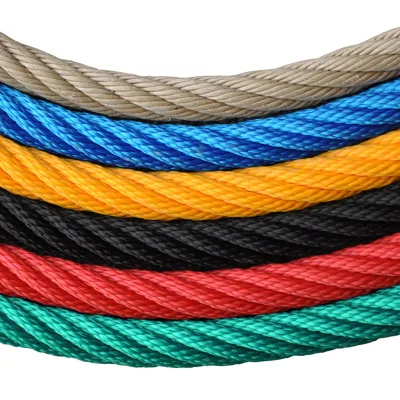
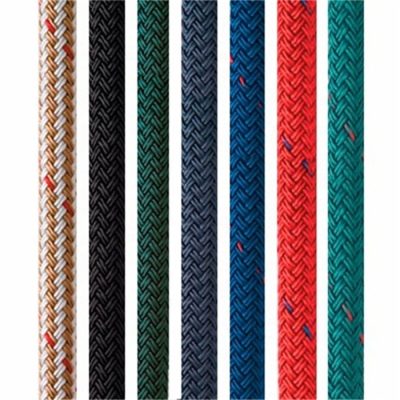
Yes, customization is available for the rope color. Buyers can choose from white or request any specific color to match their branding or safety requirements. This flexibility allows for tailored solutions in security, decoration, and outdoor gear applications, ensuring the product meets specific visual standards for different projects.
What certifications are available for this polypropylene rope?
The product holds several major certifications including CCS, ABS, GL, DNV, LR, GS, CE, and ISO9001. These credentials verify quality and safety standards for marine and industrial use. The ISO9001 certification specifically indicates adherence to quality management systems, providing assurance for buyers in regulated industries like shipping and security.
What are the standard diameter and strand options?
The rope is available in 8-strand configurations with diameters ranging from 1mm to 120mm. Specific models may offer 4mm, 8mm, or 10mm options. Lengths typically start at 220 meters or 300 meters. These specifications allow for precise selection based on the required tensile strength and application scale for playground or marine use.
How is the 8 strand rope packaged for shipping?
Packaging options include PP bags, cartons, wooden boxes, or wooden reels. The specific method depends on the product model and order size. For example, some models are packed in coils with PP bags, while others use sturdy wooden reels for protection. This ensures the rope remains secure and undamaged during transit to global destinations.
Where is this polypropylene rope manufactured?
The rope is manufactured in China, with origins in regions such as Shandong and Zhejiang. These areas are known for robust textile and rope production capabilities. The products are exported globally, meeting international standards for marine and playground applications. Buyers can expect consistent quality and supply chain reliability from these established manufacturing hubs.